In helping people finish their horses, the subject of bits always comes up. This is a very large topic and needs to be discussed more fully than I'm able to do here but I'll start. Incidentally, there are several good books on bits, their proper usage and their history. I'm not sure if any are still published but it would be worth your while to check them out. Also, bit catalogues are full of good information.
First and foremost, when choosing a bit you must decide two things: first, is the bit designed to do the job? Secondly, is your horse ready for this particular bit - in other words, where is your horse in his level of training and is he confident and comfortable at that level? Some other important things to consider are: Does the bit fit and is it properly adjusted? What kind of mouth does your horse have (e.g. is it wet or dry; cavernous or shallow)? How old is your horse (i.e. how long are his teeth? Don’t forget that good dental care is an important part of this). Also: how advanced are your riding skills?
Advanced bits need advanced riders with horses that are well trained. It’s worth noting that horses, like people, have particular likes and dislikes when it comes to bits. That being said, I have found that a well trained horse will accept most bits willingly and comfortably. This is one mark of a well-trained horse.
So often students will tell me a certain bit is mild and then misuse it so that it’s no longer mild. Another aspect of this is seen when a horse no longer responds, or perhaps never responded well, to a bit and the rider uses more and more force to compensate. This gets you nowhere.
Another point to remember, a good bit is a good investment. Not all bits are equal even if they appear to be the same. Mass produced copies are never as good as the bits made by smaller, well reputed manufacturers. Often times these bits are designed by famous horsemen. Remember, quality counts.
There is an art to putting horses in the bridle - make no mistake about it - but, bits are also about mechanics and horses mouths are all about conformation. This is an interesting subject and should be studied by all serious horsemen. Remember: your horse should be as comfortable in his bit as you are in your boots! See you next week. JD
Sunday, March 25, 2012

Sunday, March 18, 2012
Judging Differences
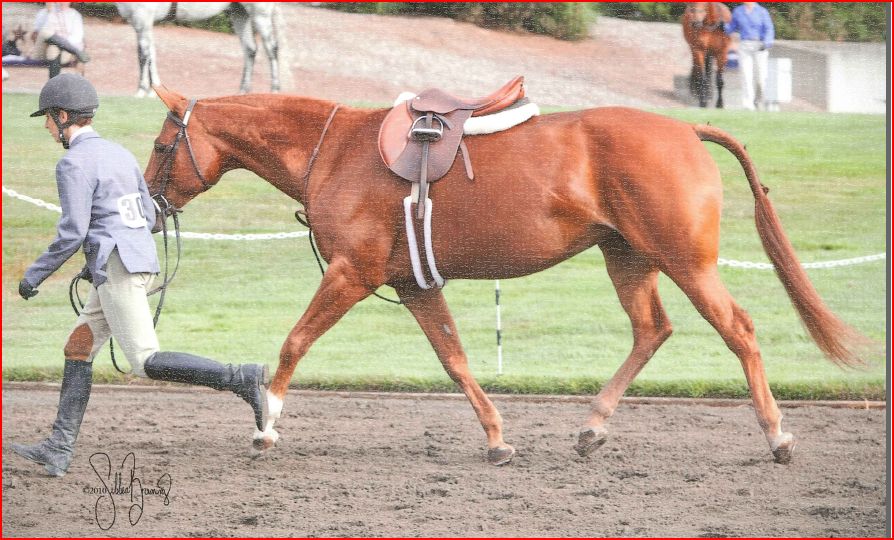 When you're looking at different breeds of horses at an open horse show, with all horses doing the same thing such as Western Pleasure in an all-breed class, it's important to understand the breed standards for each type of horse. This means looking for the horse that exhibits the ideal for its breed. Is it appropriate or not? Then you must look for the horse that is the best example of its breed that is also performing to the specifications for that class. Hopefully, it goes without saying that when choosing the "best" horse, one also looks at movement and overall quality.
I think this takes horsemanship, experience and a willingness to be open minded. The so-called breed prejudice is detrimental to all concerned but mostly to the one doing the evaluating. We can so easily hurt our own reputations but most importantly we can hurt the horse world. It seems to me that horse people are crying out for fairness from each other. Our prejudices can negatively affect many people who may be considering becoming involved with horses or perhaps who are looking for a new horse to buy, or just for a "change".
I must confess I am not knowledgeable about all breeds and all the different things one can do with them. For example, I know very little about driving horses, but in all honesty, I always make my limitations known when asked my opinion.
Perhaps a true story will make my meaning more clear. A few years ago I took a really nice horse to Canadian Nationals (VP Midnitestranger +//). He was a good looking, good moving Trail horse, short coupled, 15 hands and screamed “western”. When we were schooling him for his upcoming classes, a very well known and highly respected English trainer came up to us and told us how much she loved this little working horse. She even told people who were riding around us how much she liked this horse. Now this guy is the complete opposite of what she is so famous for training, but being the great horseman she is, she could appreciate him for what he was. I have always appreciated that trainer’s comments and it is one of my stand-out memories from that horseshow. See you next week. JD
Sunday, March 11, 2012
A Tidy Package
Lately I have received some very nice compliments regarding the horses we show. Obviously, this pleases me very much. Over and over again, I am asked how I achieve this level of training. Well, I'll try to answer that question in general terms....
As I am bringing my show prospects along or keeping proven horses in tune, I try to make things fit together - "dovetail" if you will. Everything coming together nicely towards a planned-out and expected result. For example, knowing I will be teaching a leg yield, I will first go through a series of exercises that will make leg yielding easy for the horse to understand and will make the work non-stressful. I do this with everything I teach. Layering all the smaller segments until I get where I planned to be.
 Then it gets interesting! The horse needs to be kept in a neat and tidy package or "bundle" to do his work well. This means paying attention to details. A simple example of this would be jogging down the rail (or better yet, a straight line down the center of the arena) and asking for a stop. The horse should stop square and stand quietly. His head should be in the bridle, giving totally to the bit (and not because he's afraid, but because he's been trained and understands). The horse should not be leaning on a shoulder, throwing a hip out or have a front leg stuck out in front (a common mistake).
You don't want to lose the body control you have accomplished as you move forward into new steps. Another good example of this is control of the bridle. You must have control of the face, head and neck to accomplish a quiet, supple stop. If your horse is not giving to the bit, he will be tense through the rest of his body. If he is pulling on the right side of the bridle, he will be putting extra weight on his right shoulder.
So, controlling with your leg, rein and seat any paying attention to the details will help keep your horse where you need his body to be. This is that nice tidy package I was talking about. This package is collection and collection means balance. Pay attention to the details and it will pay great dividends! Talk to you next week. JD
Sunday, March 4, 2012
Community
 One of the wonderful things I love about the horse business is getting to know so many really nice people - riders, trainers, vets, farriers, stewards, judges and more. It seems that wherever I go, I find someone I know - someone that it's nice to catch up with.
I recently hauled a load of hunter/jumper warmbloods to a show in the central California area - Rancho Murieta, just outside of Sacramento - and wouldn't you know it, I ran into people I knew at that show. It was great to catch up with them and hear what was new and it confirmed, as I've always been proud of, that we, as horse people are part of a larger community. We share interests and common ground even though our shows and disciplines may be very different.
That commonality is a great strength for our industry. We are all horsemen whether we're professionals or amateurs. We are brought together by our love and deep interest of horses and horsemanship. I am so proud to be part of the community of horsemen. See you next week! JD
Sunday, February 26, 2012
Looking at Good Horses
To know a good horse when you see one, you must have first been around good horses. This may sound obvious but many people don't understand the necessity of watching horses move, studying their confirmation and most of all working with them, especially riding them.
Whatever your equine interest is, go and find where the good horses are. If you love hunters (as I do), go to a Class A Hunter-Jumper show in your area. In our area there are many opportunities to watch really nice horses work and compete in a wide variety of disciplines - everything from Dressage to Cutting. I personally enjoy watching good horses doing lots of events. Of course I particularly like Western Pleasure and western working horses but I appreciate a wide variety of events and the equine athletes that participate in them.
Getting back to my original point, a good "eye" is developed over time. Some people have a more natural talent to pick out nice horses but everyone can learn by observing. And, while we're on the subject, find out what makes these horses special. There is no perfect horse, but horses are not equal in their talents and abilities. What makes a horse lope nice and slow and pretty? What makes a horse spin and stop with breathtaking beauty? See if you can figure it out. I guarantee you will be challenged, find it fun and, you'll become a better horseman for it! See you next week, JD
Sunday, February 19, 2012
Can't Do It Alone
This is such an important topic that receives too little attention: You must make your horse's health and shoeing a priority if you want to get the best your horse can give you. I personally advise getting on a program that includes regular dental, general wellness, vaccinations, worming and shoeing.
I have the opportunity of working with really wonderful veterinarians and farriers. They are first and foremost really good horsemen. To me, this is an absolute must. The men and women I work with are constantly learning and always caring. In the many years I have worked with them, they are always willing to share their knowledge and expertise with me and I am always eager to listen and learn.
 I firmly believe you cannot be successful alone - it takes a team. Good veterinarians and farriers are a must because they give you a platform from which to work. I attribute my success, in part, to the vets and shoers who have helped my horses so much. They can help you understand your horse's individual needs and how to approach your goals with your equine partner.
My advice in short: Pick good people to work with then take their advice and make it part of your training program. See you next week! JD
I have the opportunity of working with really wonderful veterinarians and farriers. They are first and foremost really good horsemen. To me, this is an absolute must. The men and women I work with are constantly learning and always caring. In the many years I have worked with them, they are always willing to share their knowledge and expertise with me and I am always eager to listen and learn.
 I firmly believe you cannot be successful alone - it takes a team. Good veterinarians and farriers are a must because they give you a platform from which to work. I attribute my success, in part, to the vets and shoers who have helped my horses so much. They can help you understand your horse's individual needs and how to approach your goals with your equine partner.
Pick people to work with who are respected in their fields but also are people who will take the time to explain things. You must understand the issues if you are to help you horse the most that you can. Good communication between you and your vet and your shoer are a must.
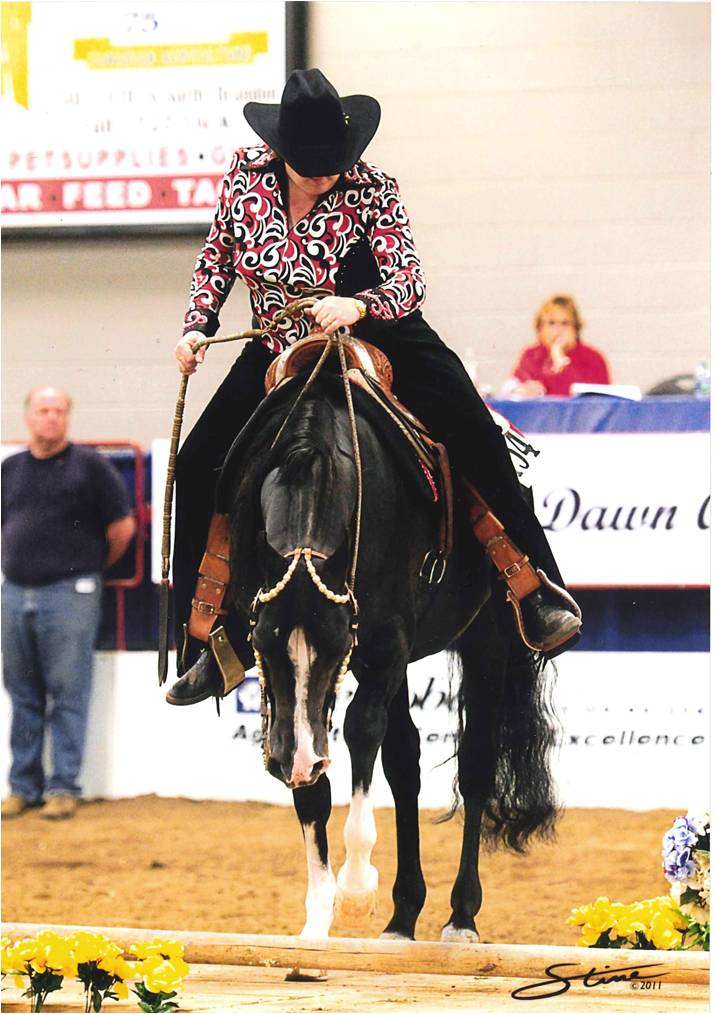
Some of our horses are on programs that comprise acupuncture, chiropractic care and drug therapy as well. I don't believe you can remove any one part - all of these things work together. A good example is Joanne Salisbury's VP Midnitestranger ++/ (or "Wes"). After his serious injury three years ago in Canada, we did everything we could to help him recover but most importantly, we put him on a continuing program and there has been a great payback as he is able to perform and do very well again. My advice in short: Pick good people to work with then take their advice and make it part of your training program. See you next week! JD
Sunday, February 12, 2012
The Learning Curve
I have been involved with horses almost my entire life and since I'm nearing Medicare age, that's a long time! I've been in the horse business for over 30 years so I've had time to think about many things. It seems pondering is one of the things I do best.
I've learned that I really like to help people with their horses and their questions. Not just about training problems or issues either. People ask me about everything from feed issues to tack and equipment and everything in between. It's really neat how informed people want to be - it means they truly care.
 This means I must constantly learn to stay up with new methods, new discoveries, new thoughts and finding solutions to just plain old everyday problems. This is a very dynamic business, there's so much happening all the time. Just because "Grandpa did it that way" 40 years ago doesn't mean there's not a better way now. The horse business encompasses so much area. I love to converse with my farriers and veterinarians and I talk to other trainers - always getting new ideas, new perspectives and along the way, confirming old ideas as well!
Becoming a better horseman is about learning, practicing and understanding what you are trying to accomplish. For instance, when you work your horse, don't just go through the motions. Instead, consider what you are doing - look for reactions and responses. Are they what you want? Be looking for causes and effects. Self-criticize yourself, not in a negative manner, but in an honest attempt to make every ride a better one and to understand why some things work and why sometimes they don't. Your horse will teach you if you allow him to. Your horse is the greatest teacher you will ever have - period.
To me, the learning curve means the more you learn and improve, the more you want to learn and improve. Stay on the curve and you'll do just fine! See you next week. JD
I've learned that I really like to help people with their horses and their questions. Not just about training problems or issues either. People ask me about everything from feed issues to tack and equipment and everything in between. It's really neat how informed people want to be - it means they truly care.

Becoming a better horseman is about learning, practicing and understanding what you are trying to accomplish. For instance, when you work your horse, don't just go through the motions. Instead, consider what you are doing - look for reactions and responses. Are they what you want? Be looking for causes and effects. Self-criticize yourself, not in a negative manner, but in an honest attempt to make every ride a better one and to understand why some things work and why sometimes they don't. Your horse will teach you if you allow him to. Your horse is the greatest teacher you will ever have - period.
To me, the learning curve means the more you learn and improve, the more you want to learn and improve. Stay on the curve and you'll do just fine! See you next week. JD
Subscribe to:
Posts (Atom)